













DEPARTMENT OF
Electrical & Electronics Engineering
Step into the dynamic realm of Electrical and Electronics Engineering at SSET, where cutting-edge technology intertwines with hands-on learning. Our top-tier labs, coupled with a passionate faculty brigade, set the stage for an academic experience like no other. From delving deep into sustainable engineering solutions to pioneering advancements in smart grids, we’re crafting the trailblazers of the next generation.
Embark on this high-voltage adventure with us. Every circuit you craft, every innovation you bring to life, pushes the boundaries of what’s possible. Dive deeper into the world of electrical wonders, where each experiment is a step towards a brighter future. With us, you’re not just studying engineering; you’re becoming a part of a revolution, shaping the technological landscape of tomorrow.
Vision
- To excel in moulding innovative and talented engineers for the benefit of society.
Mission
- Fostering robust industry-institute collaboration by facilitating knowledge transfer through comprehensive industrial training programs and collaborative research empowering individuals with real-world skills and knowledge.
- Instilling a culture of energy conservation and advanced green energy protocols, addressing both societal and industrial demands for the pursuit of sustainable and eco-friendly future.
- Elevating education by implementing targeted skill development programs that align with the industry, fostering sustainable improvement for the overall development of society.
Programmes Section
POs,PSOs,PEOs
PO1: Engineering Knowledge
Apply mathematics, natural sciences, computing, and engineering fundamentals to develop solutions for complex engineering problems.
PO2: Problem Analysis
Identify, formulate, review research literature, and analyze complex engineering problems using first principles and sustainable development considerations.
PO3: Design/Development of Solutions
Design creative solutions for complex engineering problems and develop systems/components that meet specific public health, safety, and cultural needs.
PO4: Conduct Investigations of Complex Problems
Use research-based methods and knowledge (including the design of experiments, data analysis, and interpretation) to investigate complex problems.
PO5: Engineering Tool Usage
Select, create, and apply appropriate techniques, resources, and modern engineering/IT tools to complex engineering activities.
PO6: The Engineer and the World
Apply contextual knowledge (societal, health, safety, legal, and cultural issues) to assess the societal and environmental consequences of professional engineering practice.
PO7: Ethics
Commit to professional ethics, responsibilities, and the norms of engineering practice.
PO8: Individual and Collaborative Teamwork
Function effectively as an individual, and as a member or leader in diverse and multidisciplinary teams.
PO9: Communication
Communicate effectively and inclusively within the engineering community and society at large.
PO10: Project Management and Finance
Demonstrate knowledge and understanding of engineering and management principles, including economic decision-making and project finance.
PO11: Life-Long Learning
Recognize the need for, and possess the preparation and ability to engage in, independent and life-long learning in the broadest context of technological change.
Electrical engineering graduates will be able
PSO1: To apply Electrical Engineering principles to design sustainable, energy-efficient and clean energy solutions.
PSO2: To develop competencies in electrical technologies to address industry requirements and promote eco-friendly innovations.
PSO3: To design and execute multidisciplinary engineering projects to support sustainability goals.
PEO1: Graduates will apply engineering knowledge and practical skills to pursue careers in power, energy and related domains.
PEO2: Graduates will contribute to the development of sustainable and energy-efficient solutions aligned with the Sustainable Development Goals.
PEO3: Graduates will apply lifelong learning and innovation to meet evolving industrial needs.
Placement summary
Faculty Members
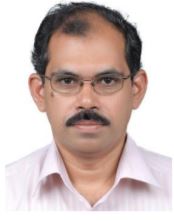
M.Tech is in Applied Electronics and PhD in Sensors
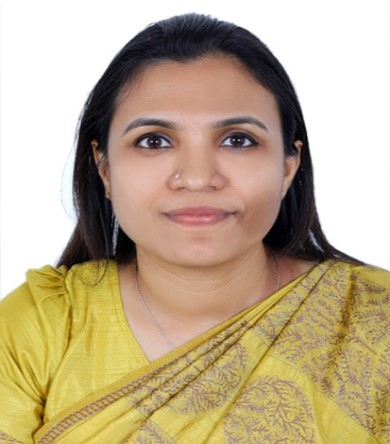
M.E in Power Electronics and drives
PhD in Electrical Safety
M.Tech in control systems
Power Electronics Lab..
M.E in power system engineering
B. Tech in Electrical and Electronics
M.Tech in Power Systems
M.E. Power and energy systems
Review Text
Explore EEE
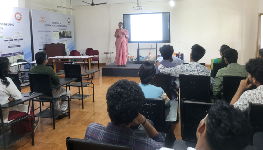
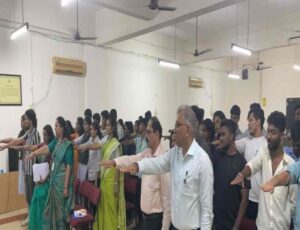
The Department of Electrical and Electronics Engineering of SSET (SSET) hosted the inaugural session of the SEEM Industry Outreach Chapter (IOC) on December 17, 2024, from 1:00 PM to 3:00 PM at the Seminar Hall, SSET. This event marked a historic milestone as SSET became the first institution in Kerala to sign a Memorandum of Understanding (MoU) with SEEM IOC. The session featured a technical talk on the topic “Energy Conservation and Efficiency: Understanding the Industry Perspective” by Mr. Rajesh, Joint Secretary of SEEM Kerala Chapter. The talk provided valuable insights into the role of energy conservation in creating a sustainable future. Approximately 50 participants, including students and faculty members, attended the event, making it a significant step toward fostering innovation and practical learning in energy management.
Alumni Testimonials
Aparna S
Class of 2010
B.Tech, Electrical and Electronics Engineering
SCMS School Of Engineering & Technology
Dhanya R R
Class of 2014
B.Tech, Electrical and Electronics Engineering
SCMS School Of Engineering & Technology

Dinto Paul
Class of 2018
B.Tech, Electrical and Electronics Engineering
SCMS School Of Engineering & Technology

Haripriya V G
Class of 2018
B.Tech, Electrical and Electronics Engineering
SCMS School Of Engineering & Technology

Vivek Nair
Class of 2019
B.Tech, Electrical and Electronics Engineering
SCMS School Of Engineering & Technology